Cassia vs Ceylon cinnamon matters because cassia contains coumarin, a compound that has been linked to liver problems. This post explains the difference in plain words, using the National Center for Complementary and Integrative Health (NCCIH).
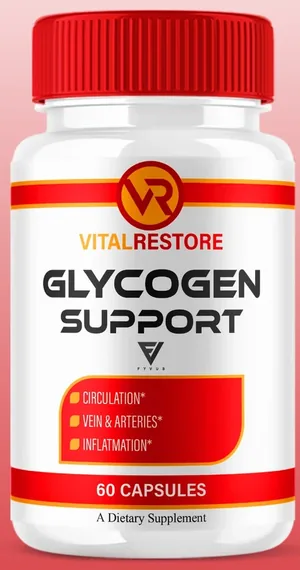
It also covers a label detail on Vital Restore Glycogen Support: two of the eight botanicals are cassia. This site is independent, has not tested the product, and says nothing about what it will do for you.
No. 01What is the difference between cassia and Ceylon cinnamon?
Both are cinnamon, but they come from different trees, and NCCIH singles out cassia as the type that contains coumarin.1
Cinnamon is the dried inner bark of several trees in the Cinnamomum family. The cinnamon sold in many shops is cassia. Ceylon cinnamon is a separate type, sometimes called true cinnamon. Product names can blur the two, and a label may say only "cinnamon".
That is why the Latin name matters. It tells you which tree the powder or extract came from, and it is the quickest way to spot cassia on a supplement label.
No. 02What is coumarin, and why does the liver come up?
Coumarin is a natural compound in cassia, and NCCIH says it has been linked to liver problems.1
NCCIH describes this as a concern for sensitive people, such as those who already have liver disease.1 It also says cinnamon is likely safe in the amounts found in food, while larger or long-term use may cause stomach and intestinal problems and allergic reactions.1
This post does not give a safe daily amount of coumarin, because the sources used here do not set one for a capsule. If you have any liver condition, ask your doctor before using cassia in supplement form.
No. 03How the cinnamon types compare
The table below sets out which cinnamon items appear on the Vital Restore label and what the NCCIH page says about cassia.12
| Item | On the label? | Point to know |
|---|---|---|
| Cinnamon powder (Cinnamomum cassia) bark | Yes, in the blend | Cassia, which contains coumarin |
| Cassia extract (Cinnamomum aromaticum) bark | Yes, in the blend | Also cassia, so coumarin applies |
| Ceylon cinnamon | No | Not named on the label |
The amounts of the two cassia items are not printed, so you cannot work out a coumarin intake from the label.2
The blend lists two cassia items among its eight botanicals, under one 400 mg total with no split between the plants.2 Taking more capsules adds more of every botanical, including both. The serving size is 1 capsule, but the directions say 2 capsules daily, so ask the seller which amount is intended.2 The cinnamon and ingredients pages cover the same items.
No. 04What NCCIH says about research and pregnancy
NCCIH says research does not clearly support cinnamon for any health condition, and it is unclear whether cinnamon helps blood sugar.1
That source is about cinnamon in general. It says nothing about what Vital Restore will do for you.
NCCIH also notes that larger amounts of cinnamon may be unsafe in pregnancy.1 The Vital Restore label says not to use the product if you are pregnant or nursing.2
Because this is a blood-sugar topic, one more point is worth stating. This site does not suggest the product for diabetes or prediabetes, and you should never change or stop a diabetes medicine because of a supplement.
No. 05How to read a cinnamon line on any label
Look for the Latin name first, then for an amount, because a bare word such as cinnamon leaves both questions open.
Here is a short routine you can use with any supplement.
- Find the Latin name, such as Cinnamomum cassia, and note which type it is.
- Check whether the plant has its own amount or sits inside a blend.
- Count how many lines come from the same plant family, as cinnamon can appear twice.
- Compare the serving size with the directions before you add up a daily intake.
On this bottle, steps 2 and 3 are the hard ones. The blend hides the amounts, and cassia appears twice.2 Those are facts about the label, not a sign that anything is wrong with the product.
No. 06Who should check with a doctor first?
Ask your doctor or pharmacist before use if you fall into any of the groups below. NCCIH advises talking to a provider if you take any medicine.1
- You have liver disease or have been told to protect your liver.
- You take insulin, metformin or another diabetes medicine.
- You take a blood thinner, or medicine for blood pressure or thyroid.
- You have kidney disease.
- You are pregnant or nursing.
Bring the bottle with you, so the person you ask can read the actual list and the warnings on the side panel. The safety page has more on this.
If you ever notice signs that worry you, such as yellow skin or eyes, dark urine or ongoing nausea, stop and contact a health professional promptly.
Safety: Vital Restore is for adults. The label says do not use it if you are pregnant or nursing, and to talk with your healthcare provider before use. If you take diabetes medicine, a blood thinner, blood-pressure or thyroid medicine, or have liver or kidney disease, ask your doctor or pharmacist first. Never use a supplement in place of medicine you have been prescribed. Stop and seek medical help if you have a reaction.
Frequently asked questions
Does Vital Restore use Ceylon cinnamon?
The label names two cassia items, cinnamon powder from Cinnamomum cassia and a cassia extract. It does not name Ceylon cinnamon.
Is coumarin dangerous?
NCCIH says coumarin in cassia has been linked to liver problems and is a concern for sensitive people, such as those with liver disease. Ask your doctor if that could be you.
How much cassia is in one capsule?
The label does not say. It prints one 400 mg total for eight botanicals and no individual amounts.
Is cinnamon safe in food?
NCCIH says cinnamon is likely safe in the amounts found in food. Larger or long-term use may cause stomach and intestinal problems or allergic reactions.
Can I use cassia while pregnant?
NCCIH says larger amounts may be unsafe in pregnancy, and the Vital Restore label says not to use it if pregnant or nursing.