A goji berry supplement and warfarin is a pairing that MedlinePlus rates as a major interaction.1 If you take warfarin or another blood thinner, this post explains what the sources say and why a pharmacist should see the label before you use anything with goji.
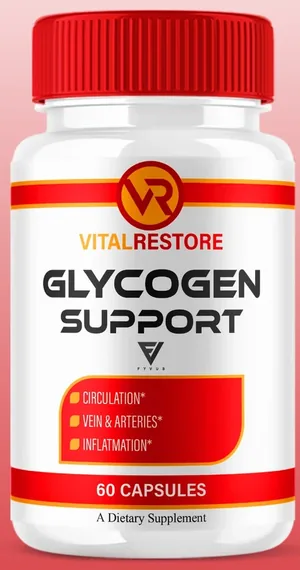
Goji extract appears on the Vital Restore Glycogen Support label. This site has not tested that product and has no studies or customer data about it, and nothing here describes what it will do for you. See our goji berry page for the label side.
No. 01What is the goji and warfarin concern?
MedlinePlus lists the goji and warfarin combination as a major interaction that could raise the risk of bleeding.1
Warfarin is a prescription medicine that slows blood clotting, and the dose is set carefully for each person. Small changes in what you eat or take can matter. Memorial Sloan Kettering also flags a warfarin interaction for lycium, the genus name for goji.2
The sources do not give a safe amount, and a supplement label does not either. That is why the usual advice is to talk to the person who manages your warfarin before adding anything new. If you take any blood thinner, this is a question for your doctor or pharmacist, not a decision to make alone. Do not change your medicine because of anything in this post.
It also helps to know why an interaction rating exists at all. A rating of major means the sources judge the combination worth avoiding or watching closely, not that a problem is certain. For people on warfarin, the safest habit is to run every new product, even a natural one, as something to run past a professional first.
Warfarin users are often told to keep their diet steady, because foods and supplements can shift how the medicine behaves. Adding an herbal product is a change in that routine, even a small one.
No. 02What else do the sources say about goji?
Goji has little research behind most of its popular uses.1 The fruit is possibly safe for short-term use, and the sources raise several points beyond warfarin.
- Allergy: rare allergic reactions are reported, and people allergic to tobacco, peaches, tomatoes or nuts may be more at risk.1
- Liver enzymes: goji may change how the liver breaks down some medicines.2
- Diabetes medicine: MSK suggests watching with these medicines.2
- Pregnancy and breastfeeding: avoid, because of a concern about the uterus.2
Notice the pattern. Each point is a reason to check before use, not a prediction of what will happen to any one person.
The MedlinePlus entry notes that goji has been used in traditional Chinese practice for a long time, and that the research does not match that history.1 Long use is not the same as proof, and the sources here do not say goji is helpful for any specific purpose.
Memorial Sloan Kettering likewise describes the evidence as limited and lists the cautions above as reasons for care.2 None of these points is specific to one brand. They apply to goji in any form, whether fruit, juice, tea or extract.
No. 03Where is goji on the Vital Restore label?
The label lists goji berry extract (Lycium barbarum) fruit as one of eight botanicals in a 400 mg proprietary blend.3
The amount of goji is not printed. The label shows one total for the whole blend, so there is no way to say how much goji one capsule holds. For a warfarin user that gap matters, because the sources do not describe a threshold.
| Point | What is known |
|---|---|
| Ingredient on label | Goji berry extract, fruit |
| Amount per capsule | Not printed |
| Source of the warfarin concern | MedlinePlus and MSK |
| Tested by this site | No |
The side panel also says to consult your healthcare provider before use and not to use the product if you are pregnant or nursing.3
Because the label shows the botanicals in one blend, you cannot tell whether goji is a large or small share. Other products with similar names exist and are not covered here, so check that your bottle matches the red-and-white 60-capsule description before comparing anything. The proprietary blend page explains the blend format.
No. 04How can you check any supplement against warfarin?
Give your pharmacist the full ingredient list and ask them to check it against your medicine. NCCIH notes that supplements and medicines can interact in ways that are hard to predict.4
- Photograph the Supplement Facts panel and the other ingredients line.
- Tell the pharmacist about every product you use, including teas and powders.
- Ask whether you need a blood test or a closer watch if you do start something new.
- Report any unusual bruising or bleeding to your doctor promptly.
Our medications page sets out the other drug groups worth raising, and the safety page covers general cautions.
If your pharmacist says to stay clear of goji, take that advice seriously, and ask whether another product with a different ingredient list would be a better fit. Neither this site nor the label can make that call for you, because only your care team knows your dose, your test results and your other medicine.
It is also worth telling every clinician you see, such as a dentist or surgeon, that you take warfarin and any supplements, since bleeding risk matters in many settings.
Safety: Vital Restore is for adults. The label says do not use it if you are pregnant or nursing, and to talk with your healthcare provider before use. If you take diabetes medicine, a blood thinner, blood-pressure or thyroid medicine, or have liver or kidney disease, ask your doctor or pharmacist first. Never use a supplement in place of medicine you have been prescribed. Stop and seek medical help if you have a reaction.
Frequently asked questions
Is goji juice a problem with warfarin too?
The sources discuss goji generally, and MedlinePlus rates the goji and warfarin pairing as major. Ask your pharmacist about juice, tea and powders as well.
Does the Vital Restore label mention warfarin?
No. The label gives a general instruction to consult a healthcare provider before use. It does not name warfarin or any other medicine.
Is goji berry safe for everyone?
No. The sources point to allergy cross-reactions, liver enzyme effects, diabetes medicine cautions and a pregnancy concern.
Should I stop my blood thinner if I want to try a supplement?
No. Never stop or change a prescribed medicine on your own. Talk to your doctor or pharmacist first.