A turmeric supplement liver warning exists because some turmeric products have been linked to liver damage in a small number of people. This post explains what the National Center for Complementary and Integrative Health (NCCIH) says, in plain words.
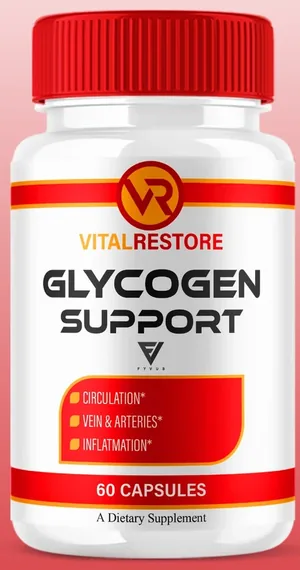
Turmeric root powder is the first item in the proprietary blend on Vital Restore Glycogen Support. This site is independent, has not tested the product, and has no data on what it does. The source below is about turmeric in general and says nothing about what Vital Restore will do for you.
No. 01What does NCCIH say about turmeric?
NCCIH says there is not enough evidence that turmeric or curcumin is beneficial for any health purpose.1
Turmeric is a yellow spice made from the root of a plant. Curcumin is one of its main compounds. The spice has a long history in cooking and in traditional practice, but a long history is not the same as strong research.
NCCIH also says turmeric is likely safe for 2 to 3 months at recommended amounts.1 That statement is about the amounts studied, so it does not tell you how a blend with an unknown turmeric amount would behave.
In short, the research is thin, and the safety notes are real. Both facts are worth holding together when you read a label that lists turmeric first.
No. 02Why is there a liver warning?
NCCIH says highly bioavailable curcumin products have been linked to liver damage in some people.1
"Highly bioavailable" means the product is made so that more curcumin reaches the blood. Plain turmeric in food is a different thing. The reports concern concentrated supplements, which is why the wording matters. Liver injury from supplements is uncommon, but it can be serious, and it is easier to deal with when it is noticed early.
The Vital Restore label lists "turmeric root powder", not a concentrated curcumin extract.2 It does not say anything about added absorption aids. The label also gives no turmeric amount, so this site cannot tell you how much you would take in a day.
No. 03Symptoms that mean stop and call a provider
NCCIH says to stop the product and talk to a health care provider if you notice fatigue, nausea, poor appetite, dark urine or jaundice.1
Jaundice is yellowing of the skin or the whites of the eyes. These signs can have many causes, and most have nothing to do with a supplement. Still, they are the ones to take seriously.
- Unusual tiredness that does not go away
- Nausea or a poor appetite
- Dark urine
- Yellow skin or eyes
If you have these, contact a doctor or pharmacist, and bring the bottle. You can also report a bad reaction to FDA through MedWatch.3
No. 04Other points: stomach effects and pregnancy
NCCIH lists nausea, reflux, stomach upset, diarrhea and constipation as possible effects of turmeric.1
It also says turmeric supplements may be unsafe in pregnancy.1 The Vital Restore label says not to use the product if you are pregnant or nursing.2
| Topic | What the source says | On the Vital Restore label |
|---|---|---|
| Evidence | Not enough for any health purpose | No claim made by this site |
| Liver | Concentrated curcumin products linked to damage | Turmeric root powder, amount unknown |
| Pregnancy | Supplements may be unsafe | Do not use if pregnant or nursing |
Read the side effects page for the other botanicals in the blend. If you have used a turmeric product before and felt fine, that does not predict how a different product will go, because forms and amounts differ.
No. 05Which turmeric facts apply to Vital Restore?
Only the general points apply, because the label gives no turmeric amount and no extract strength.2
Turmeric sits inside a 400 mg proprietary blend of eight botanicals. It is listed first, but this site does not claim that listing order tells you the amount. Serving size is 1 capsule, and the directions say 2 capsules daily, so ask the seller which amount is intended.2
That leaves a simple rule. Do not guess at a turmeric dose from the label, and do not assume that a spice from the kitchen means the capsule is gentle. The turmeric page lists what is known and unknown.
No. 06Who should ask a doctor first?
Anyone with liver disease should ask a doctor or pharmacist before using a turmeric product, and so should people on regular medicine.
NCCIH recommends telling your providers about every supplement you use, because some can interact with medicines.4 Ask first if any of these apply to you.
- You have liver or kidney disease.
- You take insulin, metformin or another diabetes medicine.
- You take a blood thinner, or medicine for blood pressure or thyroid.
- You are pregnant or nursing.
This site does not suggest the product for diabetes or prediabetes. Never change or stop a medicine because of a supplement. The safety page has the full list of cautions.
Safety: Vital Restore is for adults. The label says do not use it if you are pregnant or nursing, and to talk with your healthcare provider before use. If you take diabetes medicine, a blood thinner, blood-pressure or thyroid medicine, or have liver or kidney disease, ask your doctor or pharmacist first. Never use a supplement in place of medicine you have been prescribed. Stop and seek medical help if you have a reaction.
Frequently asked questions
Can turmeric harm the liver?
NCCIH says highly bioavailable curcumin products have been linked to liver damage in some people. It does not say that ordinary turmeric in food does the same.
What should I do if my urine turns dark after starting a supplement?
NCCIH lists dark urine among the signs to stop the product and talk to a provider. Contact a doctor or pharmacist and bring the bottle.
Is the turmeric in Vital Restore a curcumin extract?
The label lists turmeric root powder inside a blend. It does not give an amount or an extract strength.
Is turmeric safe in pregnancy?
NCCIH says turmeric supplements may be unsafe in pregnancy, and the Vital Restore label says not to use the product if pregnant or nursing.
Does NCCIH say turmeric works?
No. It says there is not enough evidence that turmeric or curcumin is beneficial for any health purpose.